


Luftkompressor Zu Verkaufen
Add a review FollowOverview
-
Founded Date septiembre 6, 1913
-
Sectors Automotive Jobs
-
Posted Jobs 0
-
Viewed 9
Company Description
10 Ways To Build Your Compressor Purchase Empire
The Ultimate Guide to Purchasing a Piston Compressor
When it concerns air compression, picking the ideal compressor is crucial for numerous industries and applications. Amongst the myriad options available, the piston compressor stands out for its effectiveness, Kompressor Mit Schneller Lieferung Kaufen-Reparaturwerkzeuge Kaufen; Www.Polovniautos.Com, reliability, and versatility. This guide intends to notify possible buyers about the essential considerations when purchasing a piston compressor, in addition to offering useful comparisons and regularly asked questions.
What is a Piston Compressor?
A piston compressor, likewise referred to as a reciprocating compressor, utilizes a piston driven by a crankshaft to compress air inside a cylinder. The primary advantage of this kind of compressor is its ability to develop high pressures, making it suitable for applications varying from pneumatic tools to industrial machinery.
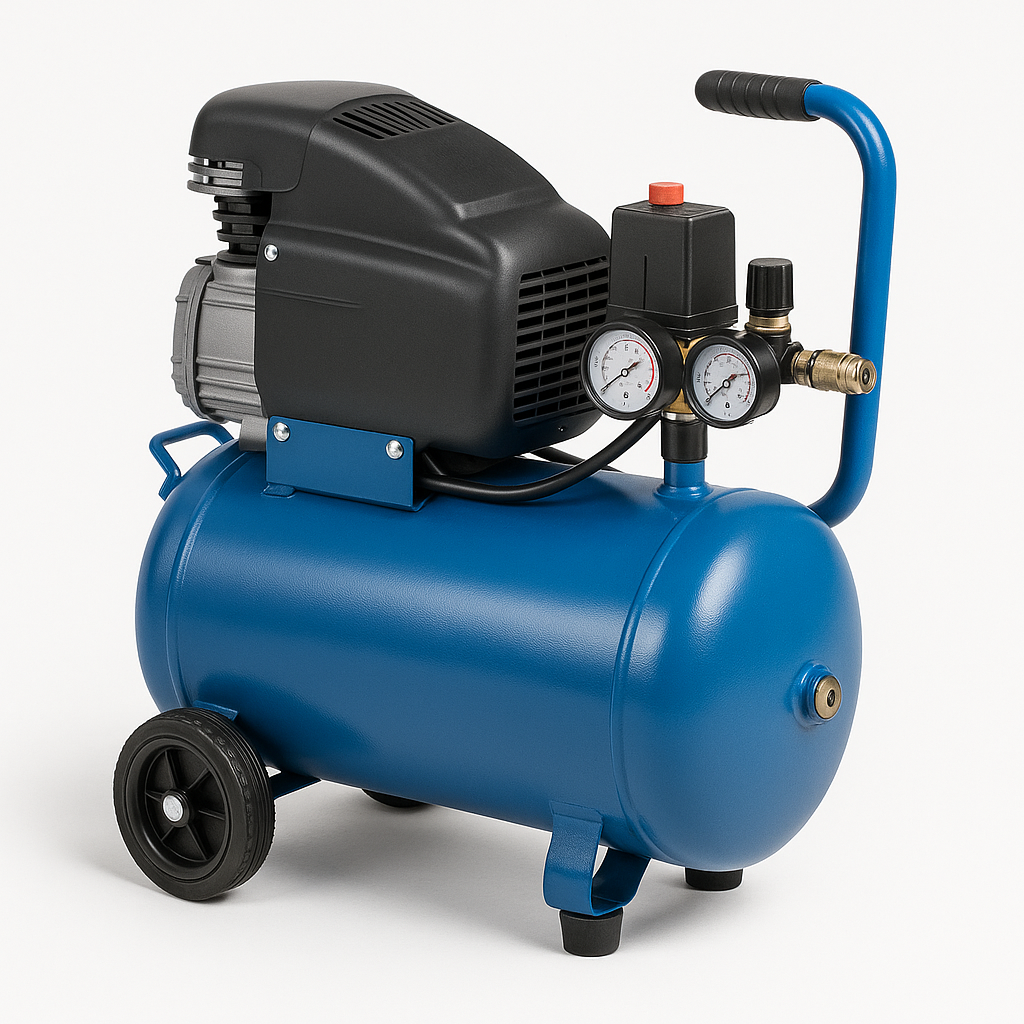
Key Considerations When Buying a Piston Compressor
1. Kinds Of Piston Compressors
Piston compressors come in numerous styles. Purchasers must comprehend the differences before deciding:
| Type | Description | Best For |
|---|---|---|
| Single-Stage | Compresses air in one movement of the piston. | Small tools and low-pressure applications. |
| Two-Stage | Compresses air in two phases, resulting in greater pressure. | Industrial systems requiring high efficiency. |
| Oil-Lubricated | Uses oil for lubrication, resulting in longer life and less wear. | Heavy-duty applications where reliability is crucial. |
| Oil-Free | Does not utilize oil, making it ideal for tidy environments. | Food processing, pharmaceuticals, and electronic devices. |
2. Compressor Size and Capacity
Comprehending the needed size and capacity for specific applications is essential. The capacity of piston compressors is determined in cubic feet per minute (CFM). The table below lays out standard applications and their perfect CFM scores.
| Application | Perfect CFM | Remarks |
|---|---|---|
| Nail Guns | 2 – 4 CFM | Low consumption, typically single-stage. |
| Painting | 6 – 15 CFM | Requires more air to sustain pressure. |
| Heavy-Duty Air Tools | 8 – 18 CFM | Appropriate for two-stage models. |
| Industrial Equipment | 20+ CFM | Frequently needs big capacities for constant usage. |
3. Source of power
Piston compressors can be powered by electrical energy, gasoline, or diesel fuel. Each source of power has its advantages:
- Electric: Often quieter and cleaner, appropriate for indoor use.
- Gasoline: Portable and beneficial for remote areas; however, can be noisy and produce emissions.
- Diesel: Excellent for heavy-duty applications but needs more maintenance.
4. Portability
Depending on the application, the mobility of the compressor may matter. Smaller sized, portable compressors are useful for home jobs, while larger models are much better suited for stationary industrial settings.
5. Sound Level
For applications where sound can be a concern (e.g., Kompressor Mit Druckluftwerkzeugen Kaufen) woodworking, home use), think about the sound levels of various designs. Sound is normally determined in decibels (dBA):
| Noise Level | Description |
|---|---|
| 40 – 60 dBA | Peaceful, appropriate for indoor use |
| 61 – 75 dBA | Moderate, can be used in workshops |
| 76 – 90 dBA | Loud, may require hearing defense |
Functions to Look For
When selecting a piston compressor, Gewerbekompressor Online Kaufen think about the following features:
- Tank Size: Larger tanks store more compressed air and supply a longer run time in between cycles.
- Pressure Control: Adjustable pressure settings allow for different applications.
- Safety Features: Look for overload defense, thermal protection, and automatic shut-off features.
- Guarantees and Service: An excellent warranty and accessible customer support can conserve expenses on repair work and parts.
FAQ About Piston Compressors
1. What applications can a piston compressor be used for?
Piston compressors are flexible and can be used for:
- Automotive repair
- Production
- Construction
- Paint spraying
- Food processing
2. How do I understand which size compressor I require?
Calculate the overall CFM needed for your specific tools and applications, and select a model that fulfills or surpasses this requirement.
3. Is it better to select an oil-lubricated or oil-free compressor?
It depends on your application:
- Oil-lubricated compressors are best for heavy-duty and continuous use.
- Oil-free compressors are perfect for applications requiring tidy air.
4. Do piston compressors need much maintenance?
Routine maintenance, such as altering the oil for oil-lubricated designs and examining filters, is essential to lengthen the life and effectiveness of the compressor.
5. Can I use a piston compressor for painting?
Yes, piston compressors are ideal for painting, especially if they can deliver the needed CFM and pressure regularly.
Acquiring a piston compressor involves cautious consideration of numerous elements such as type, capability, power source, sound levels, and extra features. By understanding the technical specs and applications specific to your needs, you will be much better equipped to make an informed purchase. A proper selection not just guarantees the performance and longevity of the compressor but likewise boosts performance in your tasks.
In summary, whether you’re a DIY enthusiast or an expert working in a high-demand industry, a piston compressor can considerably affect your performance. Investing time in understanding the alternatives readily available will lead to an effective purchase and optimum use of this necessary equipment.