Repair Windows
Add a review FollowOverview
-
Founded Date marzo 24, 1916
-
Sectors Accounting / Finance
-
Posted Jobs 0
-
Viewed 3
Company Description
You’ll Never Be Able To Figure Out This Door Repair’s Tricks
Comprehensive Guide to Door Repairs: Techniques, Tips, and Troubleshooting
Doors are not simply practical components of a structure; they likewise contribute significantly to aesthetic appeals, security, and energy efficiency. With time, nevertheless, wear and tear can lead to a range of door-related problems. This short article offers an extensive summary of door repairs, including common issues, tools required for repairs, detailed options, and a FAQ area to deal with common concerns regarding door maintenance.
Tabulation
- Typical Door Problems
- Tools Required for Door Repairs
- Step-by-Step Door Repair Techniques
- 3.1 Fixing a Sticking Door
- 3.2 Repairing a Door Hinge
- 3.3 Replacing a Door Handle
- 3.4 Fixing a Door Lock
- Preventive Measures
- Frequently Asked Questions
Typical Door Problems
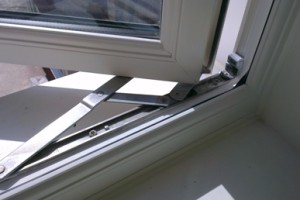
House owners often come across a range of door-related issues. Understanding these problems enables effective repairs and maintenance. Here are a few of the most common door problems:
| Door Problem | Description |
|---|---|
| Sticking Door | A door that doesn’t open or close smoothly. |
| Squeaky Hinge | A loud noise when opening or closing the door. |
| Loose Handle | A manage that wobbles or does not engage the latch correctly. |
| Malfunctioning Lock | A lock that does not turn or is stuck. |
| Split or Damaged Frame | A door frame that reveals indications of wear, splitting, or warping. |
Tools Required for Door Repairs
Before starting any door repair, it’s vital to gather the required tools. Having the right devices can make repairs more effective and reliable. The following list outlines common tools needed for different door repairs:
- Screwdriver Set – For changing or changing hinges and handles.
- Hammer – Useful for eliminating or driving in nails.
- Wood Glue – For repairing minor fractures or damages.
- Sandpaper – To smooth surface areas pre- or post-repair.
- Replacement Hardware – Such as hinges, manages, or locks as needed.
- Level – To make sure doors are lined up appropriately after repairs.
- Measuring Tape – To measure door and frame measurements accurately.
Step-by-Step Door Repair Techniques
3.1 Fixing a Sticking Door
A sticking door can be a frustrating issue, typically triggered by humidity or misalignment. Here’s how to fix it:
- Identify the Problem Area: Open and close the door to locate where it sticks.
- Inspect for Alignment: Use a level to see if the door is set appropriately in the frame.
- Adjust Hinges:
- For misaligned hinges, tighten up screws or shim the hinges.
- Sand the Problem Area: Use sandpaper to smooth the edges of the door where it sticks.
- Test the Door: Open and close the door to guarantee it moves easily.
3.2 Repairing a Door Hinge
Squeaky or loose hinges can be easily fixed. The list below actions lay out how to address this problem:
- Remove the Hinge Pin: Use a screwdriver or hammer to carefully tap out the hinge pin.
- Clean and Lubricate: Wipe the pin and hinge with a fabric and apply lubricant (such as WD-40).
- Reinsert the Hinge Pin: Place the hinge pin back into the hinge.
- Check the Hinge: Open and close the door to confirm the squeak is gone.
3.3 Replacing a Door Handle
Changing a broken door deal with can boost security and functionality. Here’s how to replace it:
- Remove the Old Handle:
- Unscrew the handle from both sides of the door.
- Eliminate the lock system and keep the screws.
- Set Up the New Handle:
- Insert the new lock and secure it with screws.
- Connect the new handle to both sides of the door.
- Test the Handle: Ensure the deal with runs smoothly and the door opens and closes firmly.
3.4 Fixing a Door Lock
A malfunctioning door lock can endanger security. Follow these actions to fix a lock:
- Assess the Lock: Determine if the concern is with the secret, the lock cylinder, or the lock.
- Lubricate the Lock: Apply graphite lubricator to the keyhole for smooth operation.
- Inspect the Alignment: Verify that the strike plate lines up with the latch; adjust if required.
- Replace the Lock: If it’s beyond repair, follow the manufacturer’s guidelines to install a brand-new lock.
Preventive Measures
Regular maintenance can extend the life of doors and avoid pricey repairs. Here are some preventive measures to keep in mind:
- Regular Inspection: Check doors for indications of wear, damage, or misalignment.
- Lubricate Hinges: Keep door hardware oiled to lower friction and wear.
- Seal Gaps: Use weather condition removing to avoid air leak and safeguard versus wetness.
- Enhance Security: Regularly inspect locks and deals with for optimum security functionality.
Regularly Asked Questions
Q1: How often should I maintain my doors?
A1: It’s a good idea to inspect and keep doors at least when a year to catch any potential issues early.
Q2: Can I repair a door myself, or should I employ a professional?
A2: Many door repairs can be done by homeowners with the right tools and directions. For intricate problems, hiring an expert is advised.
Q3: What’s the best lube for door hinges?
A3: Graphite lubes are extremely advised, as they are non-greasy and will not collect dirt. Nevertheless, silicone sprays can likewise be efficient.
Q4: What should I do if my door won’t lock?
A4: Check the positioning of the lock and strike plate. If needed, lubricate the lock system or think about replacing the lock.
Q5: Can weather changes affect my door’s performance?
A5: Yes, humidity and temperature changes can trigger wood doors to broaden or contract, resulting in sticking or misalignment. Regular change and maintenance can reduce these effects.
Understanding door repairs is vital for maintaining the functionality and appearance of both interior and outside doors. By acknowledging common problems, gathering the right tools, and following a detailed process, house owners can tackle lots of door concerns themselves. Routine maintenance and prompt repairs not just improve practicality but also improve the security and visual appeal of a home. With this comprehensive guide, individuals can feel empowered to address their door repair requires successfully.